The Nectar Memory Foam Mattress and the Tempur Ease 20cm are both all-foam designs, but they take different routes to a similar feel.
Two memory foam mattresses, two very different propositions. The Nectar Memory Foam Mattress is a 25cm, five-layer build with a medium-firm feel, a cooling cover and a 7-zone support base. The Tempur Ease is slimmer at 20cm with three layers, built around Tempur's Adapt foam, a material with pressure-sensitive cells that mould to your weight and body temperature.
Comparing the two across construction, cooling, trial terms and value, the Nectar comes out the winner. It is deeper, carries more comfort layers, offers a 365-night trial against Tempur's 100, and sits well below the typical price for a memory foam mattress while the Tempur sits well above it.
That said, the Tempur has a genuine draw of its own: the slow-sinking Adapt feel and a wider size range, including an EU Single. If that specific feel is what you're after, it remains a fair pick. For most buyers, though, the Nectar is the stronger buy.
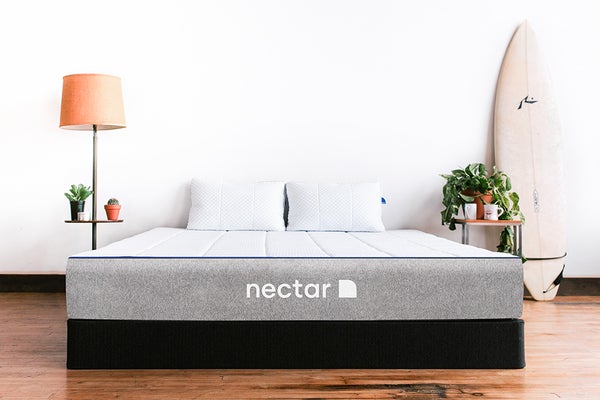

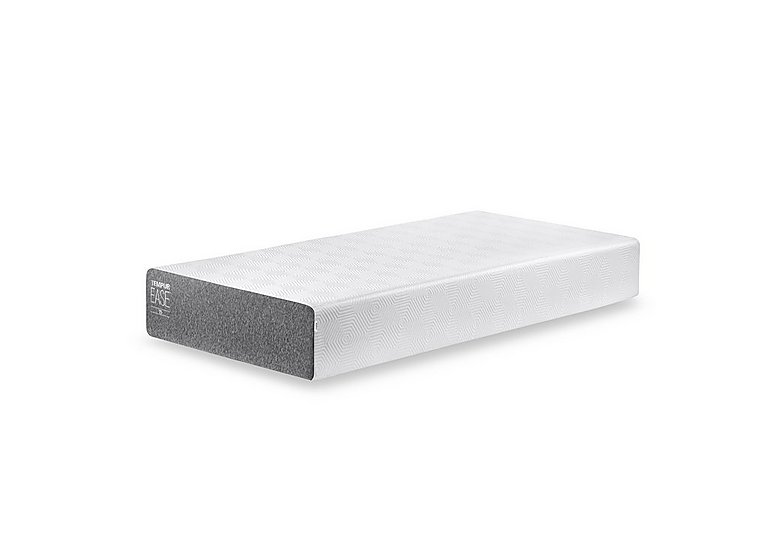
Our verdict at a glance: which mattress wins?
The Nectar gives you a deeper, better-cooled mattress with a trial more than three times as long, at a markedly lower price.
WINNER
A full year to decide
Nectar gives you a 365-night manufacturer trial, more than three times the Tempur's 100 nights, so you can sleep on it through every season before committing.
Better help for hot sleepers
The cover carries MTick certification for menopause-friendly cooling and the open-cell foam encourages airflow, whereas the Tempur's held notes flag warmth retention as a known trait of its dense foam.
Strong value for the spec
The Nectar sits well below the typical price for a memory foam mattress despite its 25cm depth and five-layer build, while the Tempur costs nearly double the norm for its type.
RUNNER UP
The signature Tempur feel
Tempur Adapt foam has pressure-sensitive cells that respond to your weight and temperature, which means the surface gradually moulds around you rather than pushing back.
Motion absorption for couples
An 8cm memory foam layer absorbs movement as you shift in the night, so a restless partner is less likely to wake you.
More sizes to choose from
Seven sizes are available, from UK Small Single to Super King plus an EU Single, against Nectar's five.
Nectar
Tempur Ease 25cm
Firmness
Medium-firm
Medium-firm
Layers
5
3
Trial (nights)
365
100
Guarantee (years)
10
10
Price Range
£199 to £649
£637 to £1,096
The Nectar takes this dimension. At 25cm deep with five layers, including a 7-zone castellated base for targeted support, it offers more depth and more differentiation than the Tempur's 20cm, three-layer build. The Tempur's high density foam base keeps it feeling solid rather than flimsy, but the Nectar simply gives you more mattress.
Construction verdict: which wins on build?
The Nectar takes this dimension. At 25cm deep with five layers, including a 7-zone castellated base for targeted support, it offers more depth and more differentiation than the Tempur's 20cm, three-layer build. The Tempur's high density foam base keeps it feeling solid rather than flimsy, but the Nectar simply gives you more mattress.
Which mattress feels better?
<p>Both sit in similar territory on paper. The Nectar is a medium-firm feel, rated 6.5 out of 10 by the brand, which suits most back and combination sleepers and gives side sleepers enough contouring at the hips and shoulders through its pressure-relieving memory foam layer. It's a supportive feel rather than a sinky one.</p><p>The Tempur is medium to firm, and the Adapt foam spreads pressure evenly across hips and shoulders, something side and back sleepers with aches tend to feel quickly. The difference is character: the Tempur sinks slowly and envelops you, while the Nectar hugs a little more lightly. Lightweight sleepers wanting a plush surface may find either firmer than expected.</p>
Other important factors to consider before buying.
Beyond feel, the practical terms differ sharply between these two, particularly on trial length. Both are manufacturer trials, so the maker rather than the retailer handles returns. Here's how they compare side by side.
Nectar
Tempur Ease 25cm
Trial (nights)
365
100
Guarantee (years)
10
10
Do bear in mind that as these mattresses come delivered in sealed boxes they will have a rubbery smell when first extracted. They need a good few hours in a room with the windows open before you sleep on them.
Environmental impact and sustainability
Nectar
Tempur Ease 25cm
Certifications
CertiPUR
BS 7177
The Nectar comes in noticeably lower than the Tempur for a comparable size, and it sits below the typical price for a memory foam mattress while the Tempur sits well above it. Check the live tables below for today's figures.
Nectar Memory Foam Mattress

Tempur Ease 25cm Mattress
The Nectar Memory Foam Mattress is the winner here, and it takes the comparison on construction, cooling, trial terms and value. It's a deeper build at 25cm with five layers against the Tempur's three, its MTick-certified cover and open-cell foam give hot sleepers real help where the Tempur's dense foam is noted for warmth retention, and the 365-night trial dwarfs Tempur's 100 nights. On price, the Nectar sits well below the norm for a memory foam mattress, while the Tempur Ease costs nearly double the typical figure for its type. The Tempur still makes sense for one buyer: the person who specifically wants that slow-sinking Adapt feel, strong motion absorption for a partner, or a size Nectar doesn't offer. For everyone else, the Nectar is the more sensible spend.
Decision helper
Consider your primary need: the slow-sinking Tempur Adapt feel and wide size range, versus more depth, better cooling, a year-long trial and a lower price with the Nectar.
WINNER
A full year to decide
Nectar gives you a 365-night manufacturer trial, more than three times the Tempur's 100 nights, so you can sleep on it through every season before committing.
Better help for hot sleepers
The cover carries MTick certification for menopause-friendly cooling and the open-cell foam encourages airflow, whereas the Tempur's held notes flag warmth retention as a known trait of its dense foam.
Strong value for the spec
The Nectar sits well below the typical price for a memory foam mattress despite its 25cm depth and five-layer build, while the Tempur costs nearly double the norm for its type.
RUNNER UP
The signature Tempur feel
Tempur Adapt foam has pressure-sensitive cells that respond to your weight and temperature, which means the surface gradually moulds around you rather than pushing back.
Motion absorption for couples
An 8cm memory foam layer absorbs movement as you shift in the night, so a restless partner is less likely to wake you.
More sizes to choose from
Seven sizes are available, from UK Small Single to Super King plus an EU Single, against Nectar's five.
Is the Nectar mattress better than the Tempur Ease?
For most buyers, yes. The Nectar Memory Foam Mattress wins on construction, cooling, trial terms and value in our comparison. The Tempur Ease still suits people who want the slow-sinking Adapt feel or one of its seven sizes, but the Nectar offers more depth, better airflow and a far longer trial at a lower price.
Which is better for hot sleepers, Nectar or Tempur?
The Nectar is the safer pick for hot sleepers. Its cover carries MTick certification for menopause-friendly cooling and its open-cell foam encourages airflow. The Tempur Ease uses dense memory foam, and warmth retention is flagged as a known trait in owner feedback, so heat-sensitive sleepers should think carefully before choosing it.
How long are the trials on the Nectar and Tempur Ease mattresses?
Nectar offers a 365-night trial, while Tempur offers 100 nights on the Ease. Both are manufacturer trials, meaning the brand itself handles the return rather than the retailer. A full year gives you every season to test the Nectar, which is a genuine advantage if you're unsure how foam will suit you.
Is the Tempur Ease worth the extra money over the Nectar?
Only if the Tempur feel is what you specifically want. The Ease costs well above the typical price for a memory foam mattress, while the Nectar sits well below it despite being deeper with more layers. You're paying Tempur for the Adapt material and motion absorption, not for a bigger or more complex build.
Which is firmer, the Nectar or the Tempur Ease?
They're close. The Nectar is medium-firm, rated 6.5 out of 10 by the brand, while the Tempur Ease is described as medium to firm. The bigger difference is character: the Tempur sinks slowly and envelops you, where the Nectar feels supportive with a lighter hug. Neither suits fans of a very soft, plush surface.

Author
Jo Plumridge

Author