The Simba Hybrid Mattress and the Panda Hybrid Bamboo Mattress are both 25cm medium-firm hybrids, so this comparison comes down to what you get for your money.
On paper these two look almost interchangeable. Both are 25cm deep hybrids, both rated medium-firm, both backed by a 10-year guarantee. Dig into the specifications, though, and they pull apart in useful ways. The Simba Hybrid carries up to 1,900 Aerocoil microsprings across five layers, with a nine-zoned base that firms up support under hips and shoulders. The Panda Hybrid Bamboo runs six layers with up to 960 encapsulated pocket springs, a bamboo-infused open-cell memory foam and a cover made partly from organically grown bamboo.
Our verdict is the Panda Hybrid Bamboo. Simba takes the construction comparison thanks to that higher spring count and zoned base, but the Panda sits slightly below the typical price for a hybrid of this kind while the Simba sits well above it, and the Panda arrives with a longer list of certifications behind it. For most buyers, that balance of spec and price is the sensible pick.
The Simba still makes a strong case for specific sleepers, particularly couples who prize its microspring motion isolation and its 200-night trial. Here is how the two compare in detail.
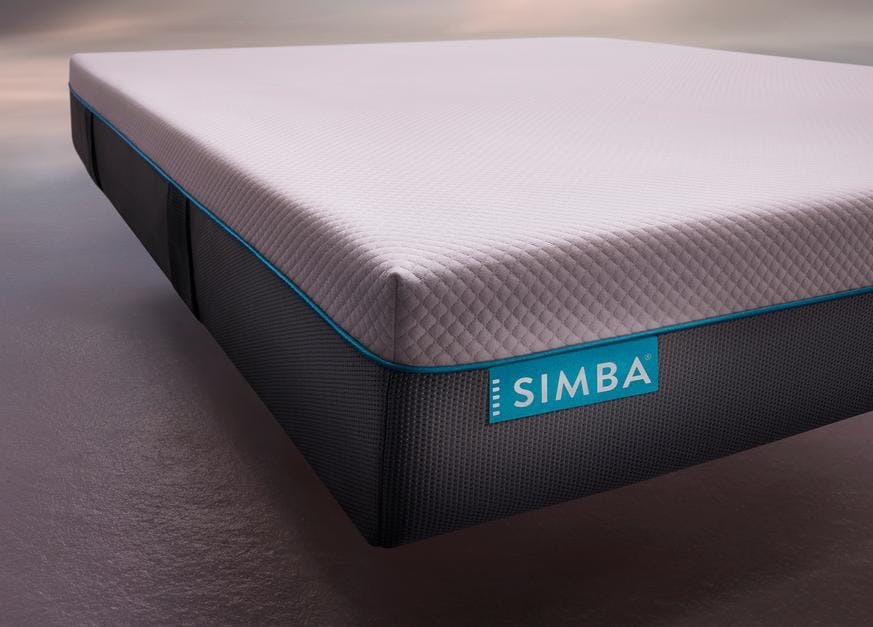
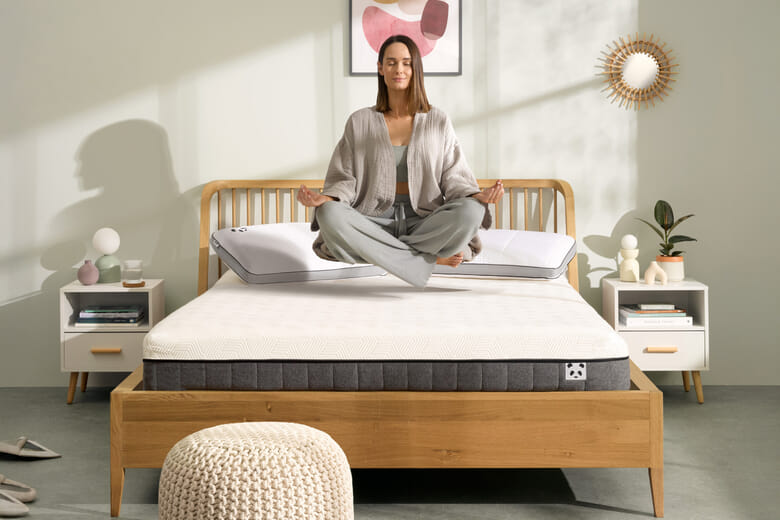
Our verdict at a glance: which mattress wins?
The Panda wins because it delivers a comparable 25cm medium-firm hybrid at a price below its cohort's typical level, where the Simba sits well above its own.
WINNER
Higher spring count with zoned support
Up to 1,900 Aerocoil microsprings compress individually in response to your body, and the nine-zoned foam base adds firmer support under heavier areas like hips and shoulders, which means better spinal alignment for back and side sleepers.
A longer trial
Simba gives you 200 nights to decide, double Panda's 100, and owner reviews note it can feel firmer than expected in the early weeks, so the extra time matters.
Graphite-infused cooling foam
The Simbatex layer is graphite infused with an open structure, which means heat is drawn away rather than trapped, a real benefit if you sleep warm.
RUNNER UP
Stronger value for the spec
The Panda sits slightly below the typical price for a hybrid of its construction, where the Simba sits well above it, so you keep more of your budget for the same depth and firmness rating.
More certifications
Standard 100 by OEKO-TEX, CertiPUR, REACH and BS 7177 fire safety compliance give the Panda a broader set of independent assurances than Simba's CertiPUR alone.
Practical touches
An anti-slip base layer keeps the mattress in place, four handles make rotating easier, and the bamboo cover is hypoallergenic and naturally antibacterial, a sensible choice if allergies bother you.
Simba Hybrid
Panda Hybrid Bamboo
Firmness
Medium-firm
Medium Firm
Layers
5
6
Trial (nights)
200
100
Guarantee (years)
10
10
Price Range
£699 to £1,099
£506 to £999
Construction goes to the Simba. Its 1,900 microsprings comfortably outnumber the Panda's 960 encapsulated pocket springs, and the nine-zoned base targets support where wider, heavier parts of the body need it. The Panda answers with six layers to Simba's five, including a dual layer of orthopaedic-grade memory foam, but on the engineering that most affects support, Simba has the edge.
Construction verdict: which wins on build?
Construction goes to the Simba. Its 1,900 microsprings comfortably outnumber the Panda's 960 encapsulated pocket springs, and the nine-zoned base targets support where wider, heavier parts of the body need it. The Panda answers with six layers to Simba's five, including a dual layer of orthopaedic-grade memory foam, but on the engineering that most affects support, Simba has the edge.
Which mattress feels better?
<p>Both are rated medium-firm, so neither offers a soft, sink-in feel. The Simba pairs that firmness with cushioning from its elastic Simbatex foam, though Tom's Guide found it less suited to committed front sleepers and noted lighter weight sleepers may find it a little too firm. Owner reviews echo this, with a common note that it feels firmer than expected in the first few weeks.</p><p>Panda describes its feel as medium-firm support for all sleeping positions, though its own page also calls the feel medium firm to firm, so lightweight side sleepers may find it a little too solid. If you like the gentle hug of memory foam with proper pushback from springs, the Panda's foam-forward build delivers that; if you dislike that hug entirely, neither of these will fully please you, but the Simba's microsprings give it a slightly more responsive character.</p>
Other important factors to consider before buying.
Beyond feel and build, the practical terms deserve a look before you commit. Both brands back their mattress with a 10-year guarantee, but the trial lengths differ meaningfully. The table below sets out how each compares.
Simba Hybrid
Panda Hybrid Bamboo
Trial (nights)
200
100
Guarantee (years)
10
10
Do bear in mind that as these mattresses come delivered in sealed boxes they will have a rubbery smell when first extracted. They need a good few hours in a room with the windows open before you sleep on them.
Environmental impact and sustainability
Simba Hybrid
Panda Hybrid Bamboo
Certifications
CertiPUR
CertiPUR, OEKO-TEX, BS 7177
Prices for both mattresses update daily, so check the live tables below. In broad terms, the Panda comes in lower against typical hybrid pricing while the Simba sits noticeably above it.
Simba Hybrid Mattress

Panda Hybrid Bamboo Mattress
The Panda Hybrid Bamboo is the winner here, and value is the deciding factor. Both mattresses give you 25cm of medium-firm hybrid, yet the Panda prices slightly below what hybrids of its kind typically cost while the Simba sits around a third above its own cohort. The Panda also carries the broader set of certifications, from Standard 100 by OEKO-TEX to REACH, which adds reassurance without adding cost. The Simba fights back on construction: 1,900 microsprings against 960, plus a nine-zoned base, and its 200-night trial is twice as long as Panda's 100. If those things matter most to you, the Simba remains a fine mattress. For most people, though, the Panda delivers a very similar sleeping experience for meaningfully less outlay, and that settles it.
Decision helper
Consider your primary need: the strongest support engineering and the longest trial, which points to the Simba, versus comparable comfort at a friendlier price with wider certifications, which points to the Panda.
WINNER
Higher spring count with zoned support
Up to 1,900 Aerocoil microsprings compress individually in response to your body, and the nine-zoned foam base adds firmer support under heavier areas like hips and shoulders, which means better spinal alignment for back and side sleepers.
A longer trial
Simba gives you 200 nights to decide, double Panda's 100, and owner reviews note it can feel firmer than expected in the early weeks, so the extra time matters.
Graphite-infused cooling foam
The Simbatex layer is graphite infused with an open structure, which means heat is drawn away rather than trapped, a real benefit if you sleep warm.
RUNNER UP
Stronger value for the spec
The Panda sits slightly below the typical price for a hybrid of its construction, where the Simba sits well above it, so you keep more of your budget for the same depth and firmness rating.
More certifications
Standard 100 by OEKO-TEX, CertiPUR, REACH and BS 7177 fire safety compliance give the Panda a broader set of independent assurances than Simba's CertiPUR alone.
Practical touches
An anti-slip base layer keeps the mattress in place, four handles make rotating easier, and the bamboo cover is hypoallergenic and naturally antibacterial, a sensible choice if allergies bother you.
Is the Simba Hybrid or Panda Hybrid Bamboo better?
The Panda Hybrid Bamboo wins our comparison on value and certifications. The Simba Hybrid takes construction with 1,900 microsprings and a nine-zoned base against Panda's 960 springs, but the Panda prices below the typical hybrid while the Simba sits well above it, and it carries four certifications to Simba's one.
Which is firmer, the Simba Hybrid or the Panda Hybrid Bamboo?
Both are rated medium-firm, but Panda's own page describes its feel as medium firm to firm, and Simba owners commonly report it feels firmer than expected in the first few weeks. Lighter weight sleepers may find either a little solid, so the trial period is your safety net with both.
Do the Simba Hybrid and Panda Hybrid Bamboo sleep cool?
Both make credible cooling claims and this dimension was too close to call. The Simba uses graphite-infused Simbatex foam with an open structure to draw heat away, while the Panda's BioCell foam is open-cell and bamboo-infused so heat escapes rather than building up. Warm sleepers should be reasonably served by either.
Which has the better trial and guarantee, Simba or Panda?
Both come with a 10-year guarantee, but Simba's 200-night trial is twice the length of Panda's 100 nights. Given owner reviews suggest the Simba can take a few weeks to adjust to, the longer window is genuinely useful. Panda counters with free returns within its trial period.
Is the Panda Hybrid Bamboo good for allergies?
Panda's waterfall cover uses organically grown bamboo that is hypoallergenic and naturally antibacterial, which makes it the stronger pick of the two if allergies bother you. The Simba Hybrid does not list an equivalent treatment, though its zip-off cover top can be removed for easy washing, which helps keep things fresh.

Author
Jo Plumridge

Author